

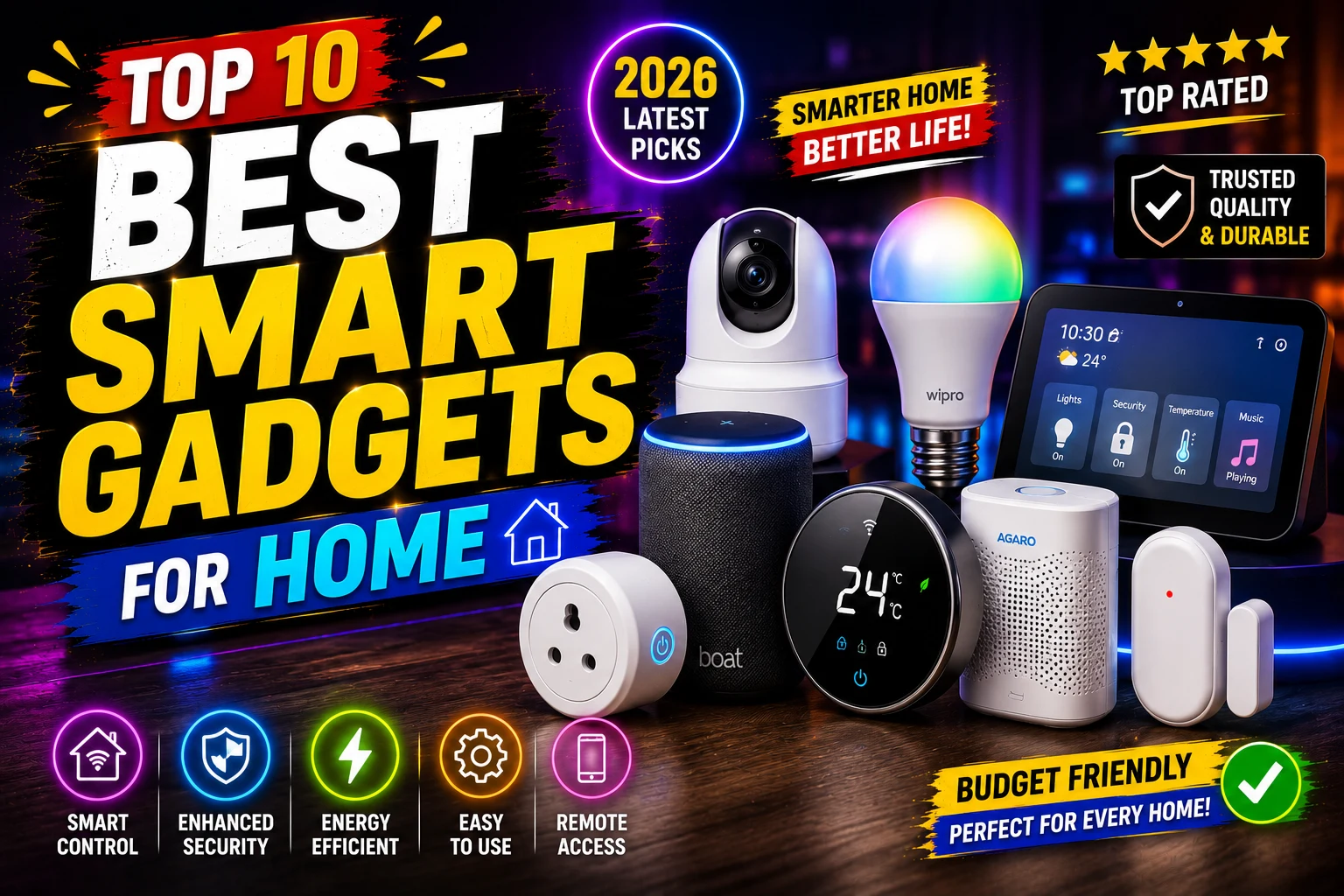
In this article, I am sharing some of the top 10 smart gadgets for home. These gadgets offer real benefits for Indian homes. These include smart lights, plugs, security cameras, speakers, robot vacuums, air purifiers, door locks, and hubs. Each gadget includes clear use cases, compatibility (Alexa, Google, Apple), and connectivity notes (Wi-Fi, Zigbee, Bluetooth). It also lists price ranges, pros and cons, and who should buy it.
Over the years, I have tried many smart gadgets for home use in India. I had some common problems. There were frequent power cuts. The Wi-Fi was unreliable. There was a lot of dust. My pets were playful. Our family schedules were busy. This information comes from real daily use, not just lab tests or online specs. It shows what lasts over months or years. It also highlights the real benefits and annoyances. This will help you choose what truly fits your setup.
Why Smart Gadgets for Home Matter
Smart gadgets for home transform routine chores into effortless, automated tasks. If you want to control your lights with your voice, you can do that with smart home devices. You can also lock your front door from a distance. Additionally, you can automate cleaning while you work. The right smart home devices can make your life easier, safer, and more energy-efficient.
Top 10 Best Smart Gadgets for Home
Here is the list of the best smart gadgets for home, ordered by how commonly they improve everyday life. Each section explains what it does, how it helps, compatibility, price range, installation & setup tips, pros & cons, and who should buy.
1. Smart Speaker / Voice Assistant – The Core of My Entire Setup

My smart home kickstarted with a smart speaker, and to this day, it’s the one gadget that gets the most action in our house. It’s not limited to music—it’s evolved into the central command point for pretty much everything else.
I use voice commands all the time. I flip lights, jot reminders, set alarms, get weather info, and control other devices. The hands-free feature is a lifesaver. It helps when I’m stirring something on the stove. It’s great during a work call or when I’m too cozy under the blanket to move. Once I set up routines like “Good Morning” or “Good Night,” those repetitive tasks just happen on their own.
For Indian families, solid Wi-Fi matters a lot. The budget-friendly speakers perform great, so no point in going all out at the start. Many of us think about privacy. I make it a habit to mute the mic when I am not using it. I also adjust the settings in the app. If you’re starting with a single gadget, choose a smart speaker. It delivers the most utility with barely any setup hassle.
2. Smart Bulbs & Smart Lighting — Instant Ambience & Energy Savings
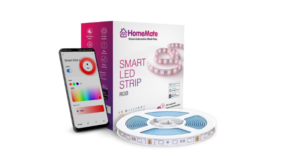
Smart bulbs gave me the fastest sense of upgrade among everything I’ve tried. Just installing a couple and playing with scenes transformed the rooms instantly. It’s more than colorful lights—it’s about creating the right atmosphere and easing strain.
I go for warmer tones in the evenings to relax my eyes and cooler daylight ones when focusing on tasks. Color-changing bulbs are enjoyable, but I limit them to main areas; simple white-adjustable ones work fine elsewhere.
Programming them to switch on around sunset or fade out at bedtime has truly made routines more comfortable. Wi-Fi bulbs do tend to drop off after outages, which is common here. For more rooms, Zigbee with a hub stays connected better. Try one or two in your frequently used spots first. Resist the urge to do every room—add gradually as you figure out the patterns.
3. Smart Plugs & Smart Switches — Make Any Device Smart
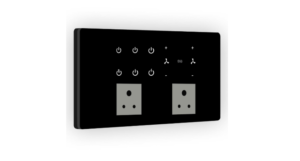
Smart plugs fly under the radar, but from my own usage, they’re incredibly handy. I have connected them to bedside lamps, chargers, the Wi-Fi router, and small kitchen appliances. Now, I can control these regular items without any electrical work.
I really like remote access. If I’m out and forget to turn off the iron, I can do it with the app. Certain plugs show energy consumption, which helped me pinpoint and reduce wasteful devices.
Switches are great for built-in lights or fans, but installation is key. For those renting, plugs are far less risky. A big takeaway for me: double-check the wattage limit—pairing them with high-power stuff like heaters can cause issues. For starters or renters, smart plugs offer the easiest and most adaptable introduction to automation.
4. Smart Security Cameras & Doorbells — Eyes on Your Home
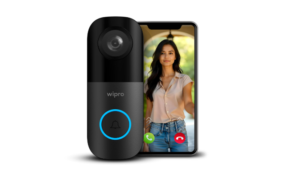
Cameras have reshaped how I keep tabs on the house, particularly during trips. Beyond security, it’s the comfort of checking in whenever I want.
App stability counts more than pixel count in real use. Reliable alerts and motion triggers outweigh super-high resolution. Night mode and human detection cut down drastically on alerts from pets or moving curtains.
Given fluctuating internet in many Indian areas, I prefer models with onboard SD storage to avoid ongoing cloud fees. Privacy-wise, change defaults and enable extra verification right away. Go with established brands only. Lesser-known cheap options often fall short on trust and performance.
5. Smart Door Locks & Access Control — Keyless Convenience
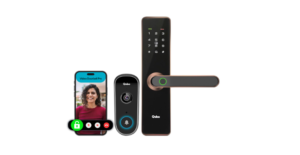
The smart lock completely changes the way we enter our home. It is convenient to enter through fingerprint or code, especially when you have bags with you or with kids. It was not long before we got hooked.
It is very important for me to arrange cover numbers or codes for visitors, helpers, or deliveries. I use temporary codes for this purpose. The visitor log of who is here and at
Nonetheless, not all door models work well—fitting them properly is essential to avoid becoming annoyed. It is also important to monitor batteries, having spare ones available being an added advantage. Choose trustworthy models with good after-sales service. These you will be keeping for the long term.
6. Robot Vacuum & Mop — Automate Floor Cleaning

Of all the gadgets I mentioned, the one that saves me the most time each day is the robotic vacuum cleaner. By scheduling the operation when I am at work or doing my errands, I come back home to spotless floors.
Precise mapping is more valuable than raw strength, as it moves with intelligence and explores all areas effectively. Mopping is helpful for spot cleaning, but it can’t replace manual cleaning perfectly.
There must be a clearing of cables and small mats from the floor first. The process of cleaning its components is not complex. If it’s within your pocket, You can try to buy this—it’s perfect for busy people or pet owners.
7. Smart Air Purifiers — Breathe Cleaner Indoor Air
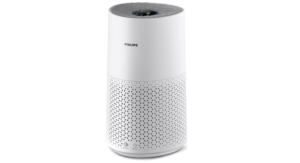
In our environment, I noticed my sleep and breathing improved dramatically due to the air purifier. Intelligent air purifiers, depending on air quality, increase their function on their own.
The replacement filters will cost more than the purifier itself. This is easy to miss when buying. The real-time reading obtained using the app provides necessary insights into the indoor trend.
My suggestion would be to always budget for the cost of filters every year. It’s just not worth it if it’s cheaper to set up but has a high. Placement is best in bedrooms, and closing the windows will help a lot.
8. Smart Air Conditioners & Thermostats — Comfort with Efficiency
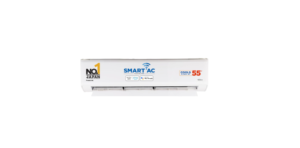
Speaking from experience, intelligent AC remote control does more than turn on/off—it encourages intelligent use. I was guilty of running this AC longer than necessary; now schedules keep me from doing so.
Timers turn it off at night or chill the room before arrival. Geofencing is a mixed bag relating to location services; regular schedules are more consistent.
Many people use ACs, but IR adapters, or “smart remotes,” add more features at a low price. For full systems, thermostats are a better buy, but check for compatibility.
“Lesson Learned”: Properly configured, it helps to limit excessive power consumption. Great if you have high bills or tend to forget switching off—practical and effective.
9. Smart Hubs & Home Automation Controllers
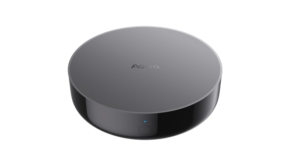
I delayed purchasing the hub in the early stages, perceiving it as added complexity. However, with an increased number of devices, it became evident that it helps to increase speed and reliability.
Small wi-fi networks are fine, but expansion entails congestion. Mesh networking protocols with a hub ensures faster response times and flawless routines.
Local offline automations will keep running even if the internet drops. This can be very helpful compared to Wi-Fi.
Setup and advanced scenes will require some experimentation to get right. Under 6-8 gadgets, no point. For serious expansion, it’s helpful.
10. Smart Sensors — Leak, Motion, Door & Window
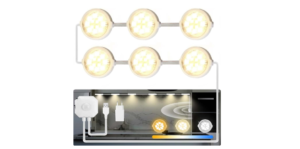
Sensors may not seem like much alone, but they make the system truly smart overall.
Functionality to Allow Voice Control: Many popular commercial systems have this capability;
Motion sensors turn on hallway lights at night—very practical and convenient. Door opens alerts me. Leak sensors close to machines help detect problems quickly.
Batteries are quite durable but benefit from the occasional check. Misplacement leads to extra alerts; hence, location is very crucial.
These shine with hubs but single Wi-Fi ones are adequate for notifications. Add them when ready for automations – pairings unlock the potential.
How to Choose Smart Gadgets for Your Home
Selecting smart devices for our homes is a process.We weigh the comfort of using them against other factors. Here are the guidelines to benefit our selection.
- 1. Define Your Use Cases First
Now determine the kind of features that you are interested in. It could be for comfort functions like lighting and speech systems. It could also be for safety functions like cameras and locks. Cleaning functions like robotic vacuum cleaners are also an option. It could also be that your needs pertain to health-related functionalities like air purification systems.
- 2. Choosing an Ecosystem
Choose an ecosystem to focus on. Test a combination of ecosystems, which could be a problem with voice control systems. Android: easy to integrate with Google Home. Apple devices have to be integrated with HomeKit.
- 3. Connectivity: Wi-Fi vs. Zigbee vs. Bluetooth
”Wi-Fi: Easy setup, with each device taking up bandwidth.”
-
- Zigbee or Z-Wave: This is an efficient mesh network solution. Also works in a hub system. Suitable for larger scale.
- Bluetooth: Proximity detection is good, not suitable for home automation.
- 4. Privacy & Security
It is best to secure your Wi-Fi with strong passwords.Use WPA3 or WPA2 for better protection.Use strong passwords on your personal devices.Enable two-factor authentication for your cloud accounts.Always choose devices that allow local control or have a good security record
- 5. Automation & Routines
Identify units that have dynamic automation system capabilities implemented. Some of these units are IFTTT, Home Assistant, and others with personal routine functions. Formula: “If front door opens after 8 PM, turn on hallway light and record a video clip.”
- 6. Power & Maintenance
Battery life in sensor cameras may be considered.Filters used in an air purifier may be considered.A brush and filters in a robot vacuum cleaner may be considered.Battery backup power used in a smart lock may be considered.
- 7. Budget Planning
It’s easy to begin with basic products. Just consider buying a smart speaker, 2 bulbs, and one smart plug. When discussing home-wide automation products with hubs, there will be startup costs. However, they scale more easily, and they will not affect Wi-Fi networks.
FAQs
Q1. What smart gadget would I be best off buying first in my new house?
A smart speaker—easy voice input and smooth integration with other functions.
Q2. Are smart home appliances safe to use in an Indian home?
Yes, with trusted brands, secured Wi-Fi connections, and updates.
Q3. Can smart gadgets function in power cuts?
A majority demand either power or connectivity, but battery or local solutions exist.
Q4. Is an intelligent hub required when beginning?
No—useful later with more complexity.
5. Do smart devices add up to our electricity cost?
Usually the opposite, thanks to intelligent scheduling and tracking.
Q6. Do smart devices need the internet?
Some local actions, but full functionalities require it.
Q7. Are smart home devices hard to maintain?
Typical easy stuff: Batteries, filters, occasional updates.
Q8. Are smart gadgets an investment worth making in Indian homes?
Yes, chosen properly, they add convenience, safety, and economical benefits.
As a reality check on how these devices work in my Indian home with my family, I am sure. What matters is making life simpler, not harder. The most useful devices are not always the showiest or the most expensive. They offer convenient, long-term solutions to daily irritations. Whether it’s voice-controlled lighting, self-cleaning functions, cleaner air, or better security, these devices offer strong benefits. They were chosen with care. One needs to keep it simple and innocuous until they are accustomed to their functionality in their lives.
